A letter to Patrick White about my thoughts on ‘Down at the Dumps’

Dear Mr White,

I am writing this letter in regards to your short story, ‘Down at the Dumps’, as I have just read it and thoroughly enjoyed it. For this reason I would like to share some of my thoughts on your story.

First of all, I would like to commend you on your ability to create such an insightful piece of writing that is highly truthful and revolutionary. I think that the fictional Sydney suburb of Sarsaparilla is reflective of the mundane and superficial society in this present day and age containing people who are primarily focused on materialistic desires. This is exemplified through the juxtaposition of the characters Meg and Myrtle. For example, when Aunt Daise dies, Meg is in deep despair as opposed to Myrtle who is only concerned with what other people think of her. Myrtle embodies the shallow nature of humanity through her lack of empathy to the situation, but rather a care for reputation and appearance.

In my interpretation of your story, I gathered that there is a strong theme of prejudice and hierarchy between social classes. This is evident through the contrasting families, the Hogbens and the Whalleys. The Hogbens care about looking good to the rest of society, whereas the Whalleys focus on living a life that is exciting and happy. I think that people in a contemporary society can learn from the Whalleys humble outlook on life as this is what truly makes life an “extraordinary” experience.

I’d like to finish by thanking you for writing a short story that allowed me to recognise themes of materialism and prejudice that are not only evident in fiction, but especially in our society. I have realised the essentiality of looking beyond materialistic desires and focusing on appreciating the finer details in life.

Kind Regards,
Anna.
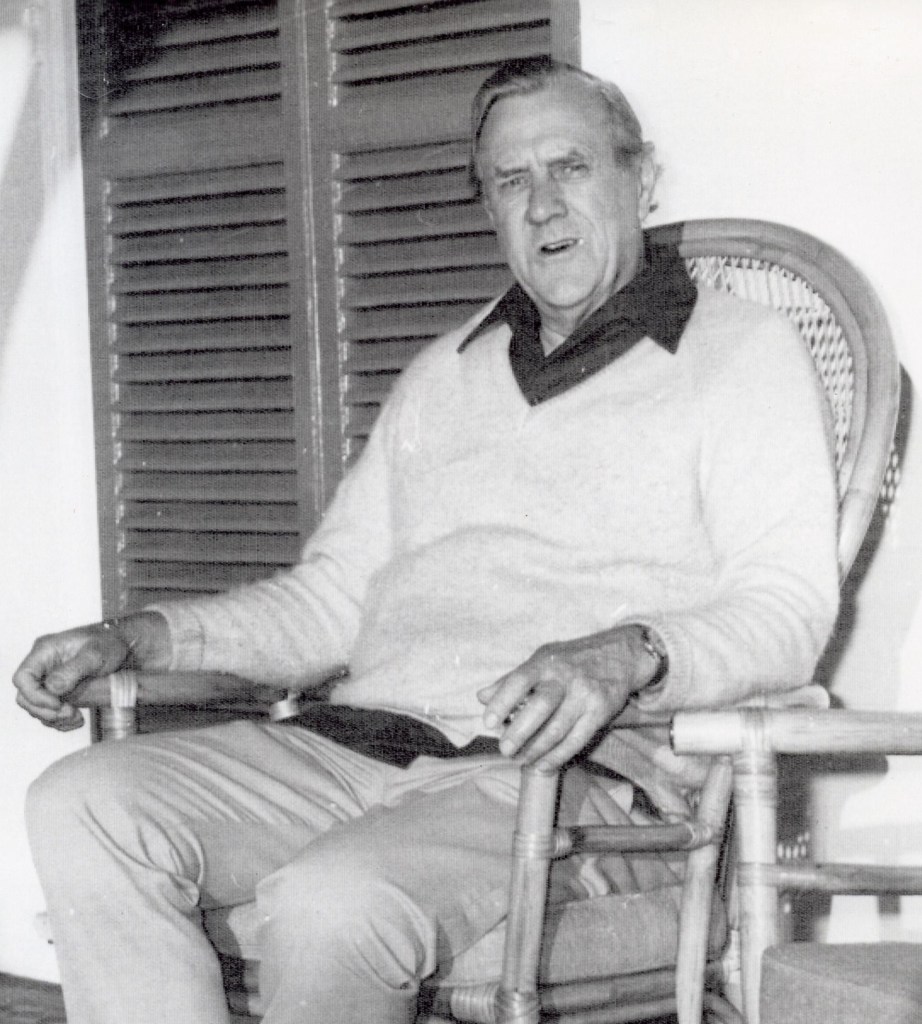
A photo of Patrick White

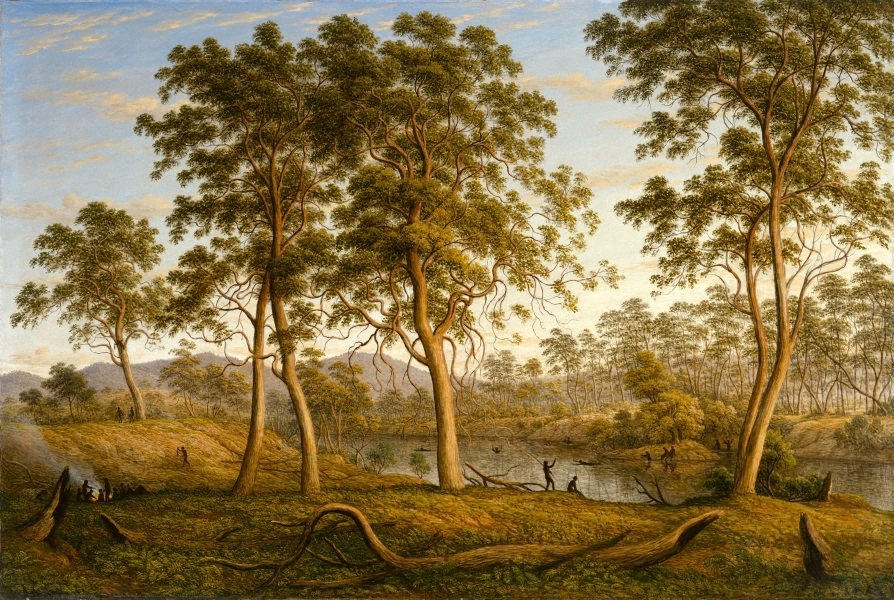
Take any single Australian painting that you saw at the gallery and write a description in prose – Ekphrastic Writing.

Blue skies surround them, shining sunlight on their motherland that is one with them. The indigenous people desperately grasp onto every remaining aspect of the natural landscape. The refreshing water of the lake, glistening amid the green and brown grass. The trees tower over them, safeguarding them from the impending threat of intrusion. Long trumps of brown wood and leafy green hair populate the landscape, stretching so high, seemingly reaching for the sun to soak in her warm embrace. The people take comfort in the golden rays of sun on their skin and the fresh air in their lungs. They rely on the mountains that stand tall and large in the background to shelter them from any potential threat. Smoke from the fire they’ve created to cook their food and warm their hands, fades into the scattered puffs of misty grey clouds. The clouds are so faded as if they’re preparing to vanish into the wind, leaving nothing behind but the luminous sun to inhabit the pale blue sky. Under these skies, their surroundings are sublime. The sound of the beaming sun accompanied by euphonious nothingness brings serenity, knowing that this piece of land has yet to be polluted by loud men in peculiar clothing. Whilst the lake is overflowing with life and jubilance, they are aware that this tranquillity is only temporary. Simply waiting for the strange men to disturb more of what does not belong to them.

Glover, John. Natives on the Ouse River, Van Diemen’s Land. 1838

Write a stanza of a poem in the style of Banjo Paterson.

I gaze up at the sky, only to be met with the sun’s harsh stare,
“We’re lost!” I shout, but nobody listens, ignoring me and the cries of my aching feet,
I linger behind their stubborn footprints and hope, yet doubt, that we’re almost there
But when the moon rises and I’m proven right, the feeling is bittersweet.
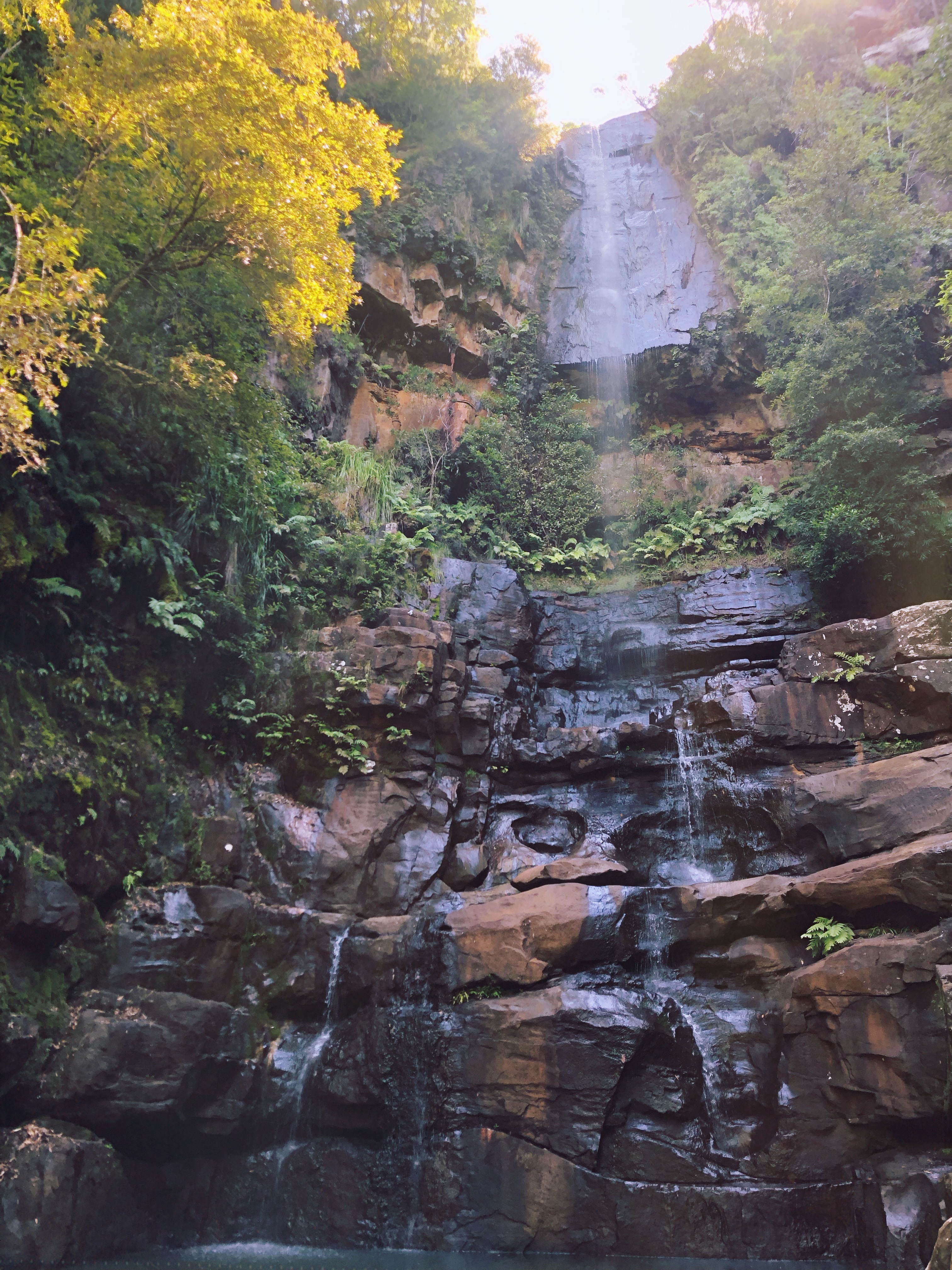
The trees peer down at us, mocking our aimless walking
As we desperately try to remember our way back,
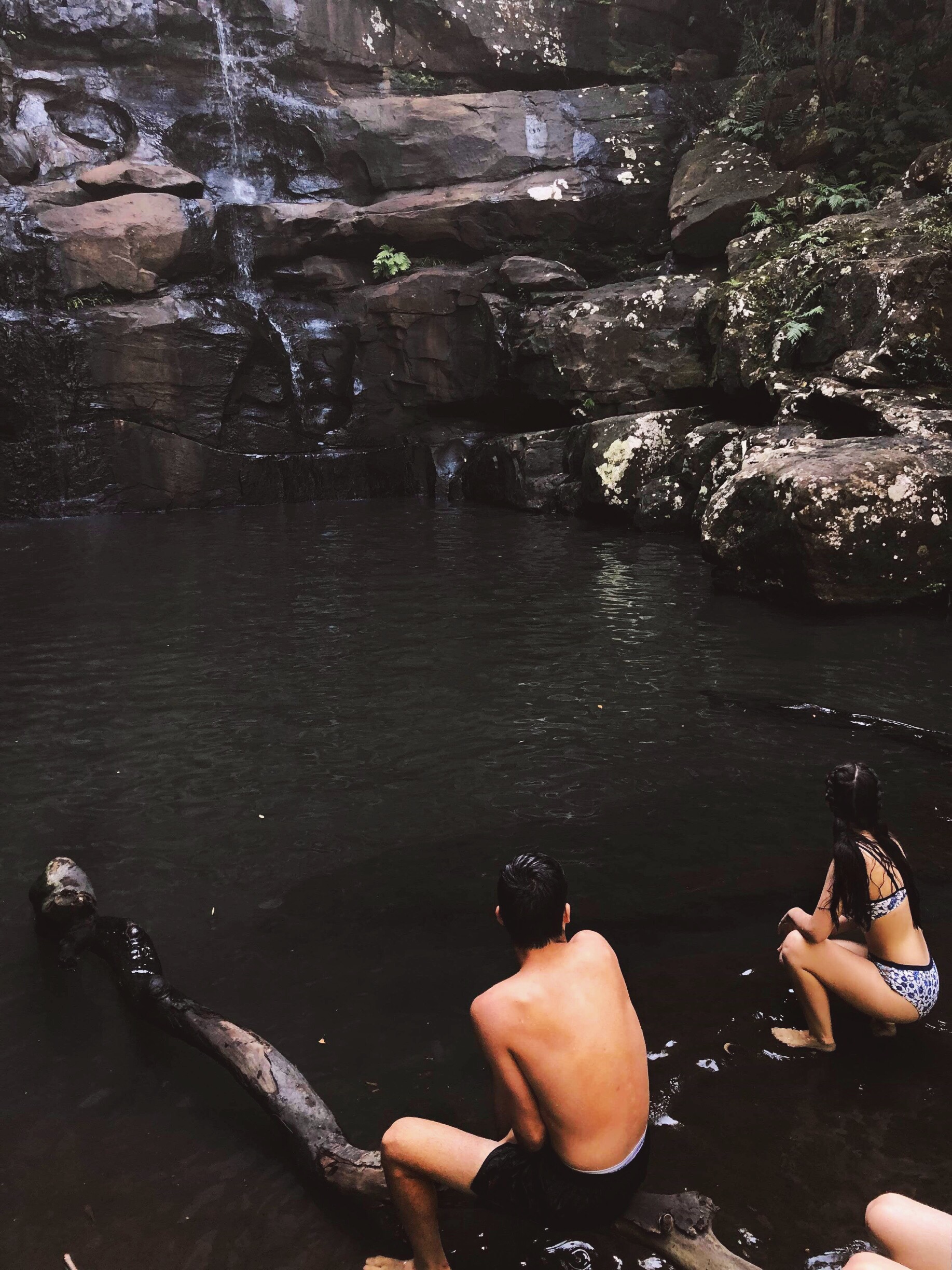
Beyond the sound of our childish squabbles, we are silenced by the euphony of water falling,
We smile at the waterfall and I can’t help but think, oh I’m so glad we lost our track.